Hoof health — expert knowledge
Hoof cancer: Recognize, understand, treat


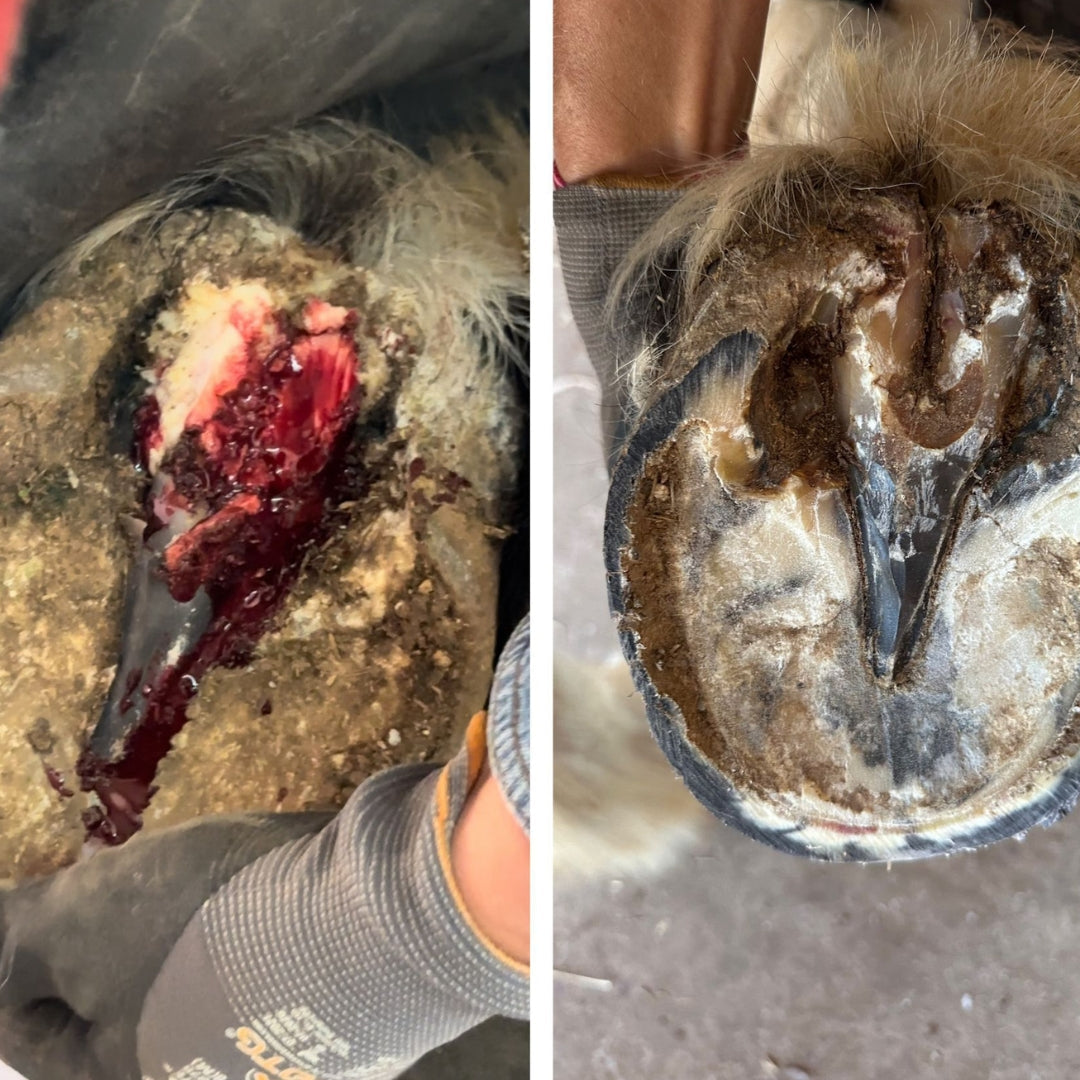
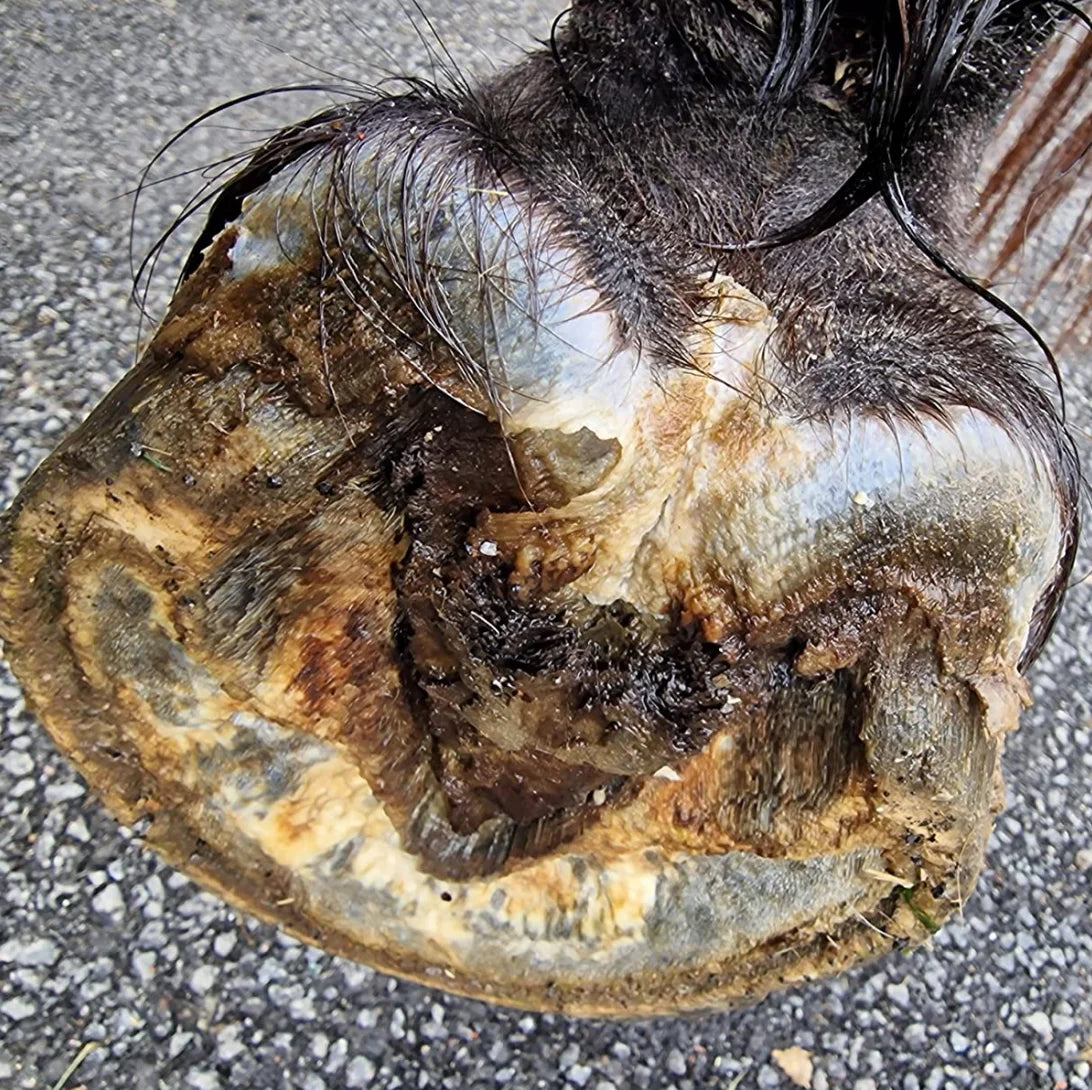
One of the first signs of hoof cancer is hair standing up around the hoof’s coronary band — also known as brush foot. As the disease progresses, the hoof and its internal structures break down. Instead of healthy hoof horn, cauliflower-like growths with gray-white coatings develop — often accompanied by an unpleasant odor and, in advanced stages, severe pain.
Effects on the horse
What hoof cancer does to the horse
Clinical presentation
Affected horses suffer considerably from the effects of the disease. When the hoof is trimmed, the tissue bleeds heavily, and the horse begins to go lame. This affects not only the animal’s well-being but also its usability and quality of life — permanently if action is not taken in time.
Important
Early detection of the symptoms is crucial for successfully treating hoof cancer. Regular hoof care and hoof examinations by an experienced farrier or veterinarian are essential. If hoof cancer is suspected, professional diagnosis and treatment should be initiated immediately.
Part 01
Causes of hoof cancer
Hoof cancer develops when the hoof’s immune system breaks down. If your horse shows signs, immediate action is required. Its development is encouraged by several factors:
Weakening of the hoof horn structure due to thrush
A weakened hoof horn structure makes the hoof more susceptible to further diseases — thrush is often the first step.
Nutrient deficiency
Zinc, biotin, MSM, manganese and copper in particular play an essential role in hoof health. If these nutrients are lacking, the entire horn structure suffers.
Metabolic problems
Disruptions in overall metabolism and detoxification problems can weaken the hoof from within.
Genetic predisposition
Certain breeds, such as Friesians and Tinkers, are more frequently affected by thrush than others.
Part 02
Treatment of thrush
Successful treatment requires close cooperation between the veterinarian and hoof trimmer. The following measures are crucial:
Hygienic measures
Create hygienic conditions to prevent the spread of infection. Cleanliness in the stable is the basic prerequisite for any therapy.
Surgical procedures
These should be determined and carried out by experts on site - depending on the severity of the condition.
Metabolic treatment
Long-term metabolic treatment with a special nutrient complex over 5 to 6 months has proven particularly effective. This helps sustainably address the underlying internal causes.
Therapeutic care products
Products with pH-regulating properties can positively influence hoof regeneration and actively support the healing process.
Recommended products for treatment
Proven remedies from practice
At Hoofgold, the following products have proven effective for treating thrush and hoof cancer:
Nutrient complex - supports metabolism and strengthens hoof health from within.
View product →For soaking or brushing on - regulates the pH level and thoroughly cleans the hooves.
View product →Reduces horn degradation processes and actively promotes frog regeneration.
View product →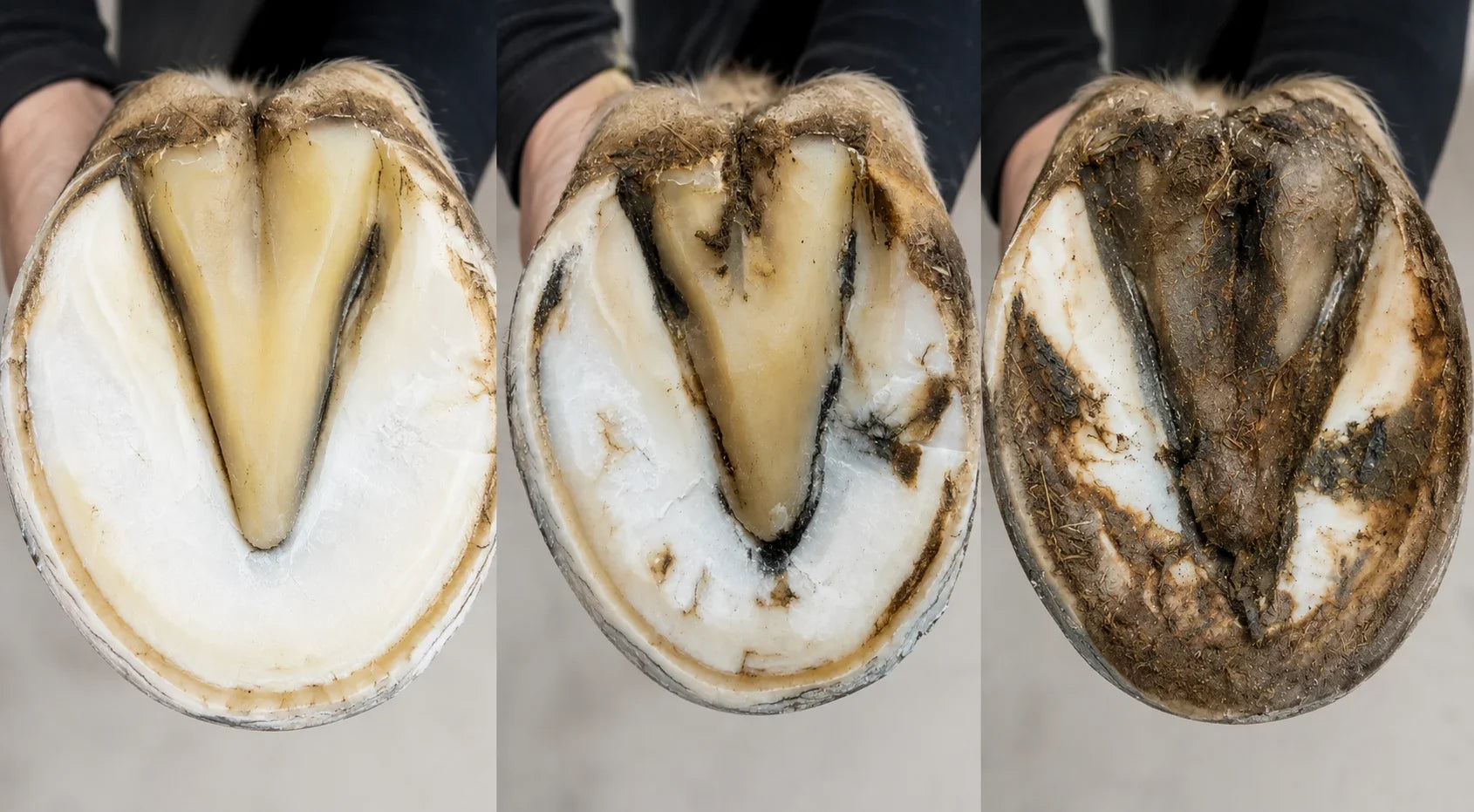
Share:
Transition to barefoot hoof care
Thrush in horses: causes, symptoms, treatment, and prevention