
Thrush in horses: recognition and treatment
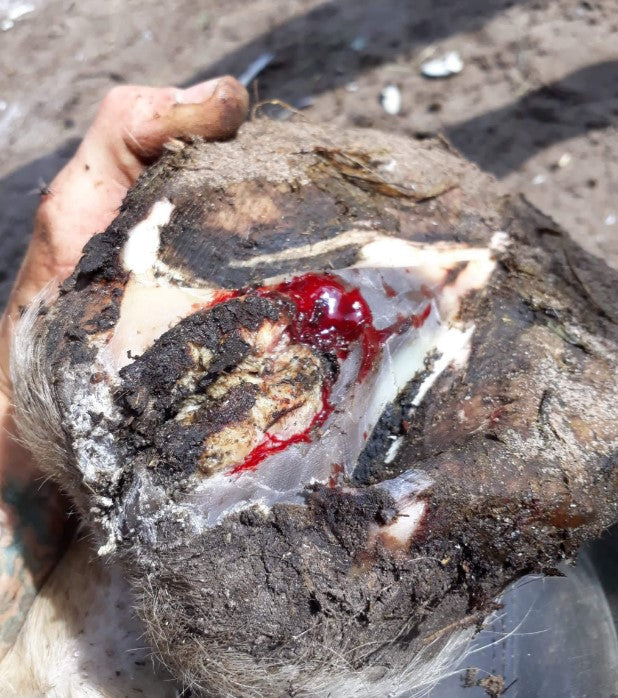
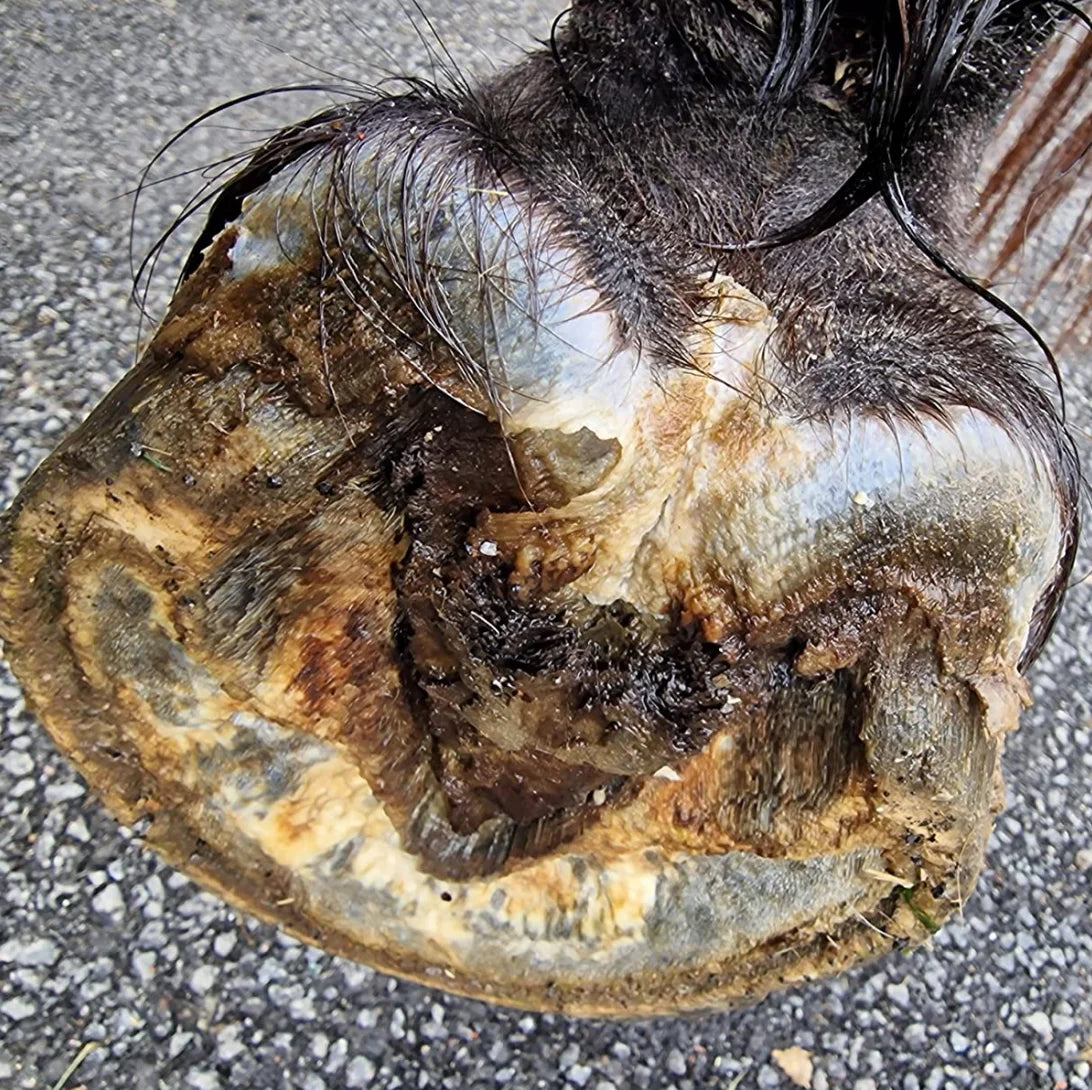
Frog cancer is a serious, chronic inflammation of the hoof corium that occurs in the area of the frog, wall, sole and canines. In the worst case, all four areas can be affected, leading to complete destruction of the hoof structures.
Symptoms and identifying features
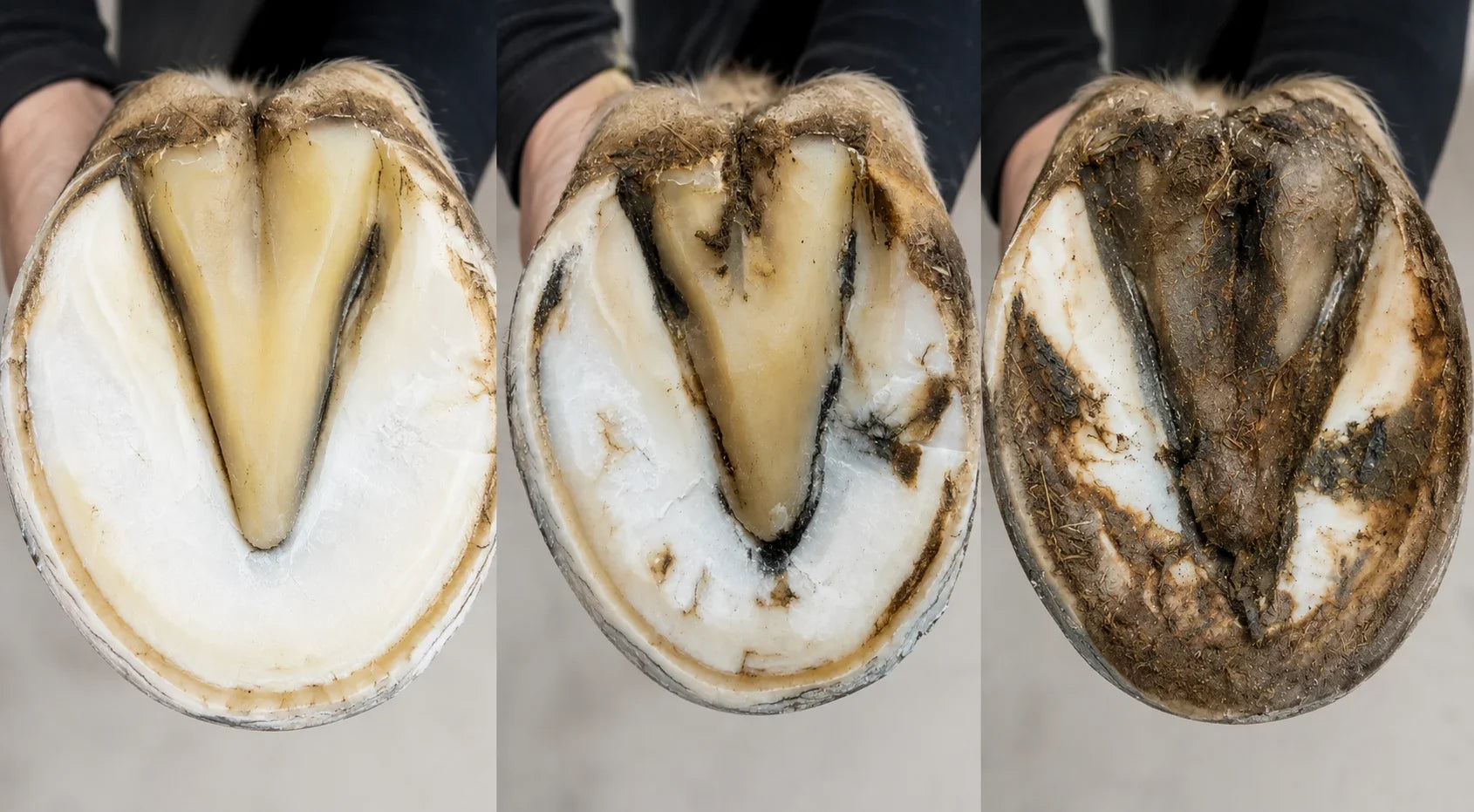
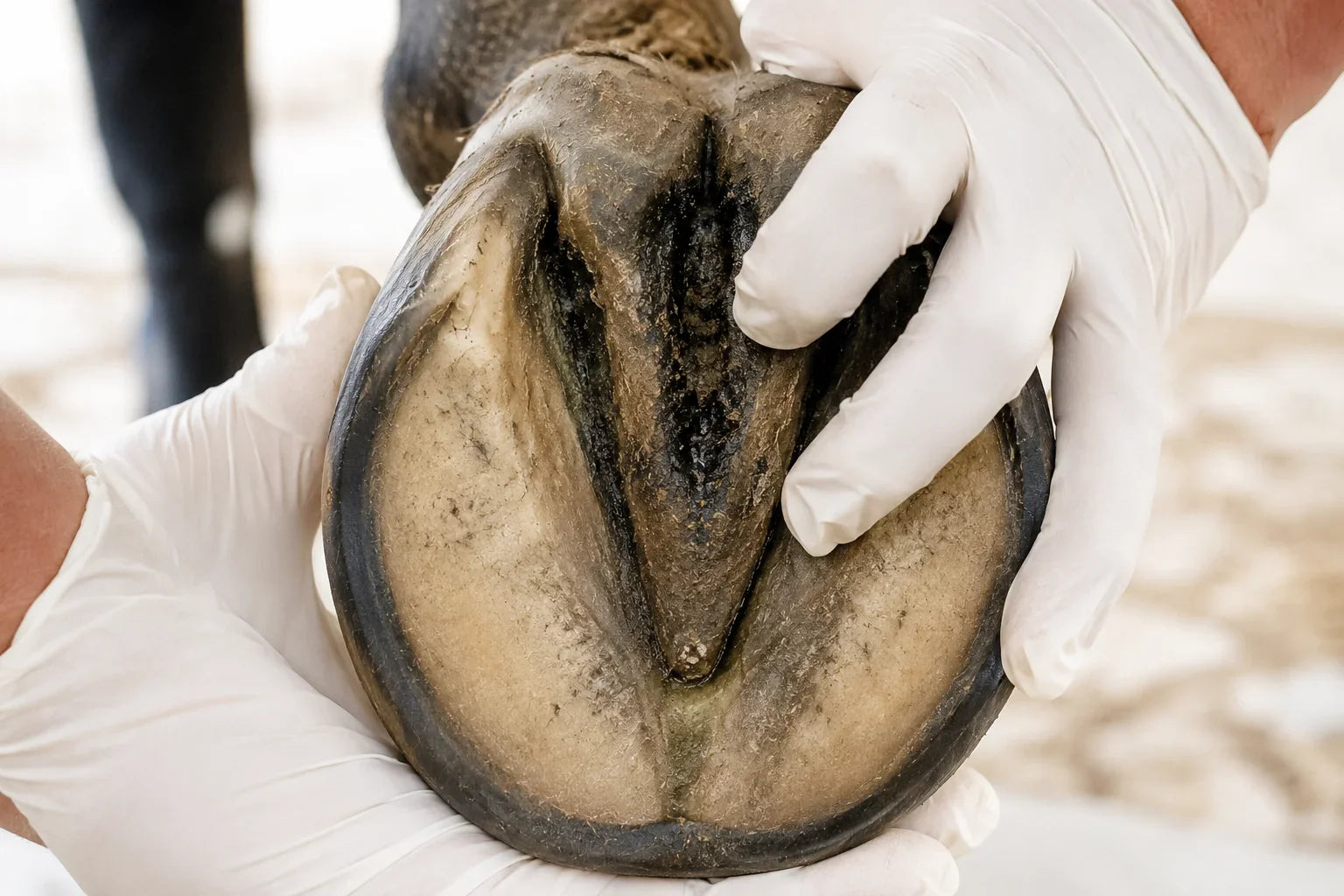
One of the first signs of frog cancer are protruding hairs in the area around the edge of the hoof, also known as snub-foot. As the disease progresses, the hoof and its internal structures dissolve. Instead of a healthy horn structure, cauliflower-like growths with gray-white deposits develop. These changes are often accompanied by an unpleasant odor and, in advanced stages, lead to severe pain.
Effects on the horse
The affected horses suffer considerably from the consequences of the disease. When the hoof is trimmed, the tissue bleeds heavily and the horse begins to limp. This not only affects the animal's well-being, but also its usability and quality of life.
Recommendations for action
Early recognition of symptoms is crucial for the successful treatment of frog cancer. Regular hoof care and checks by an experienced farrier or veterinarian are essential. If frog cancer is suspected, professional diagnosis and treatment should be initiated immediately.
This article is intended to raise awareness among horse owners and groomers and to help them maintain the health of their animals. Stay alert and ensure regular and thorough hoof care to minimize the risk of frog cancer.
Causes and treatment options
If your horse is showing signs of frog cancer, immediate action is required. Frog cancer is caused by the breakdown of the hoof's immune system, and timely intervention can halt the progression of the disease and aid healing.
Causes of radiation cancer
The development of radiation cancer is favored by several factors:
- Weakening of the horn structure due to thrush: A weakened horn structure can make the hoof more susceptible to disease.
- Nutrient deficiency: Zinc, biotin, MSM, manganese and copper in particular play an essential role in hoof health.
- Metabolic problems: Difficulties in overall metabolism and problems with detoxification can weaken the hoof.
- Genetic predisposition: Certain breeds such as Friesians and Tinkers are more frequently affected.
Treatment of radiation cancer
Successful treatment requires close cooperation between the veterinarian and the hoof trimmer. The following measures are crucial:
- Hygienic measures: Create hygienic conditions to prevent the spread of infection.
- Surgical interventions: These should be decided by experts on site, but the internal causes are often not sufficiently taken into account.
- Metabolic treatment: Long-term treatment of the metabolism with a special nutrient complex over 5-6 months has proven to be particularly effective. This helps to balance the internal causes.
- Therapeutic care products: Products with pH-regulating properties can have a positive effect on hoof regeneration.
Recommended products for treatment
At Hoofgold, the following products have proven effective in the treatment of frog and hoof cancer:
- HUFKUR (nutrient complex) : Supports the metabolism and strengthens hoof health.
- HCE (hoof cleaner with pH regulator) : For bathing or brushing on to regulate the pH and clean the hooves.
- Blue Stuff: Reduces horn decomposition processes and promotes regeneration.
For more information and application instructions, see our videos. Stay alert and provide regular hoof care to ensure your horse's health.
VIDEO ON PROBLEMS AND TREATMENT OF RADIATION CANCER
Share: